

FORECLOSURE OPTIONS • METRO ATLANTA

What options might still be available?

Possible next steps depend on your loan, the notices you received and your circumstances. Start with your goal, then review the appropriate people and processes that may help.

Auction scheduled or legal papers received? Contacting Rebuild does not stop a deadline.

What have you already tried? Wherever you are, the sections below explain what to check next. You can read everything here without sharing your contact information.

Prefer a conversation? Talk With Us

Illustrative image: a homeowner at her kitchen table reading a letter she just opened, with the envelope and a mug beside her.

Illustrative image, fictional person, not a client

Illustrative image: a homeowner at her kitchen table reading a letter she just opened, with the envelope and a mug beside her.
Illustrative image, fictional person, not a client
English, Portuguese, and SpanishMetro Atlanta, GeorgiaFree conversation, no obligation Illustrative image, fictional person, not a client

Auction scheduled or legal papers received?

Contacting Rebuild Ventures does not stop or postpone an auction or legal deadline. Free, independent help is available right away.

Or call the HOPE™ Hotline at (888) 995-HOPE (4673), listed by the CFPB, 24 hours a day.

What to check first

Keep-home information first

Keeping your home

What would you need to understand before deciding whether staying is practical?

Short answer: start by gathering the facts, then talk with your mortgage servicer and a HUD-approved housing counselor about the options your loan allows. The CFPB recommends calling your servicer right away and contacting a HUD-approved counseling agency for free help.

Illustrative image: a homeowner on the phone at his dining table, taking notes beside a mortgage statement and a calculator.
Illustrative image, fictional people, not clients

Options to ask your servicer about

These are educational summaries, not Rebuild eligibility decisions. Your servicer, the owner of your loan, or a lender makes the decision. Together these are often called loss mitigation.

Reinstatement

What it means
Bringing the loan current by paying the past-due amount and any allowed fees under your loan terms. It may fit owners who can raise the full past-due amount.
Check first, and who decides
Ask your servicer for the current amount in writing. The servicer applies your loan documents. If you dispute the amount, an attorney can review it.
Gather and ask
Recent statement and notices. Ask: "What amount is due, and until what date is it good?"
Limits and next step
Amounts change over time. Verify the figure in writing before relying on it.
Repayment plan

What it means
Paying the missed amount over an agreed period, on top of your regular payment.
Check first, and who decides
Your servicer reviews eligibility and affordability.
Gather and ask
A simple budget and your statement. Ask: "What is due each month during the plan, and after it ends?"
Limits and next step
Monthly payments are higher during the plan. Ask for the terms in writing.

Forbearance

What it means
A temporary pause or reduction in payments.
Check first, and who decides
Your servicer, under the rules for your type of loan.
Gather and ask
A short summary of the hardship. Ask: "How will the paused amount be repaid when the forbearance ends?"
Limits and next step
Forbearance is not forgiveness. Clarify repayment before you agree.

Deferral or loan-specific help

What it means
Some loans allow qualifying missed amounts to be moved to a later date.
Check first, and who decides
Your servicer decides what your loan type and loan owner allow.
Gather and ask
Your loan information. Ask: "When would the deferred amount become due?"
Limits and next step
There is no universal right to a deferral. Verify the actual terms offered.

Loan modification

What it means
A written agreement that changes your loan terms, such as the length, balance, or interest rate.
Check first, and who decides
Your servicer and the owner of the loan, using their own review rules.
Gather and ask
Income and hardship documents, sent only through your servicer's own secure process. Ask: "What conditions apply, and is there a trial period?"
Limits and next step
Approval is not guaranteed, and the term or balance can increase. The Georgia Attorney General warns that applying may not, by itself, stop a foreclosure.

Refinancing

What it means
Replacing the current loan with a new one.
Check first, and who decides
A lender's underwriting decides.
Gather and ask
Your current loan details. Ask: "Do the costs and the timing fit my situation?"
Limits and next step
Qualification and timing may make refinancing unsuitable when payments are already behind.

What federal servicing rules say about timing

The Consumer Financial Protection Bureau (CFPB) explains these federal rules. Some smaller servicers are exempt from parts of them, so ask which rules apply to your loan.

  1. 36 days

    Your servicer must try to contact you no later than 36 days after a missed payment, and send written information about options no later than 45 days after you are late.

  2. 120 days

    A servicer generally may not start a foreclosure until you are more than 120 days behind.

  3. 37 days before a sale

    If your complete application for help is received at least 37 days before a scheduled foreclosure sale, the servicer must evaluate you for the options available to you. It does not have to offer any specific option.

Sources: CFPB, Have a mortgage? What you can expect (PDF, January 2014); CFPB delinquency factsheet (PDF, August 2016). Checked November 13, 2026.

Option summaries: CFPB, If I can't pay my mortgage loan, what are my options?; Georgia Attorney General, Mortgage and foreclosure information; HUD, Avoiding foreclosure. Checked November 13, 2026. Property tax, homestead, and PMI questions are separate topics and are not emergency remedies.

Compare before you choose

Selling and other alternatives

If keeping the home is not practical, what would you want to compare first?

Not every alternative is a sale to Rebuild. Each path has its own requirements, costs, timing, and people who provide it.

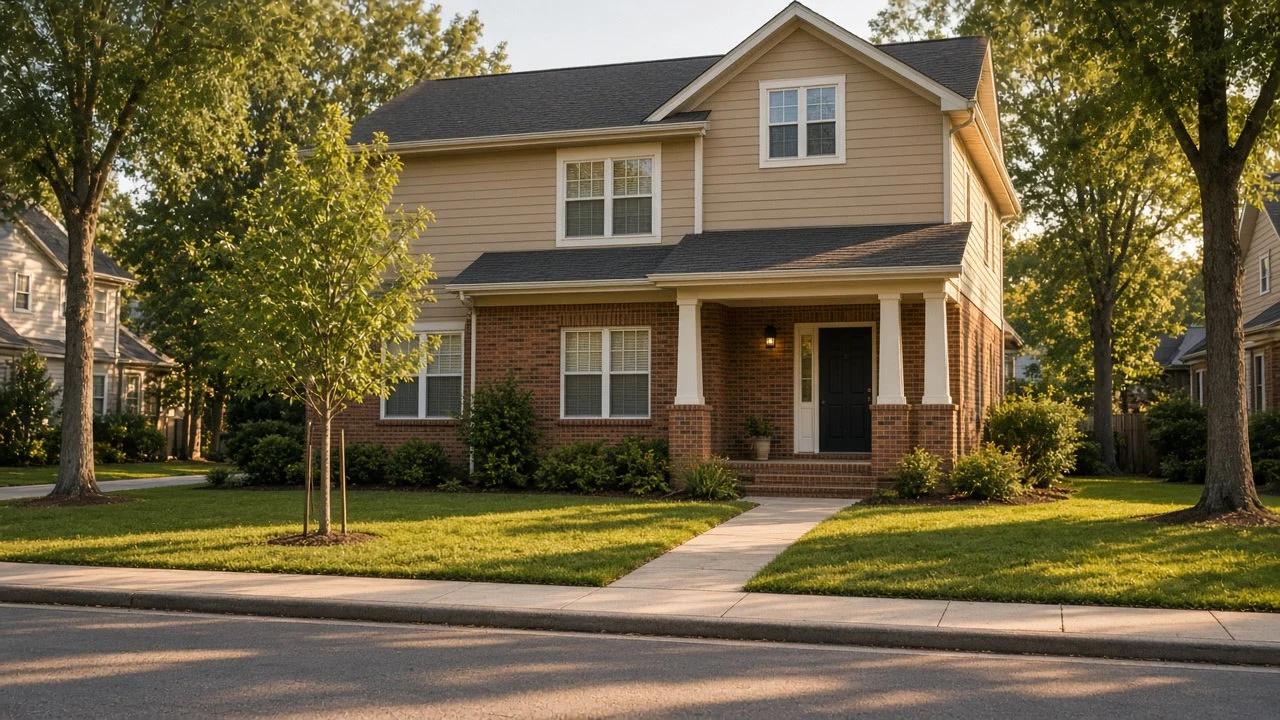
Illustrative image: a two-story suburban home with a front porch and lawn.
Illustrative image, not a client property

Selling on the open market

A listing may reach more buyers, but it depends on preparation, pricing, and time. Listing is a separate service through an appropriately identified licensed brokerage provider, or another professional you choose.

A potential direct purchase

Where it fits, Rebuild Ventures may evaluate buying the property directly, as a principal, not as your agent. A direct sale may produce less than a successful market sale. No offer, price, timeline, or closing is guaranteed, and you can seek independent advice and other offers.

The principal of Rebuild Ventures LLC is a licensed Georgia real estate agent. That license is disclosed in writing in any transaction where we are the buyer.

Short sale

Selling for less than you owe. Your lender must approve it in advance. Ask in writing whether any remaining balance will be released, because that depends on the actual agreement.

Deed in lieu of foreclosure

Voluntarily transferring the home to the lender in exchange for a release from the loan. It is only available if the lender agrees. Confirm the release terms in writing.

Before you sign anything: a purchase contract, a title transfer, or a sale does not by itself release your loan or cancel an auction. Subject-to purchases, loan assumptions, and seller financing are different structures with their own risks to you, including staying liable on the existing loan. Each needs its own written explanation and independent review. Bankruptcy questions belong with a bankruptcy attorney.

Sources: Georgia Attorney General, Mortgage and foreclosure information (short sale, deed in lieu, bankruptcy). Checked November 13, 2026.

Act on every notice

Auction scheduled or legal papers received

Act on every notice right away. Free, independent help is available without contacting Rebuild first.

Contacting Rebuild Ventures does not stop or postpone an auction or legal deadline. A complaint, a call, or a consultation is not a legal pause.

Illustrative image: hands holding a letter next to an open wall calendar and a pen.
Illustrative image

What to check now

  1. 1

    Identify the notice.

    Is it a mortgage foreclosure notice, a property tax notice, an HOA or lien notice, or court papers? Write down every date printed on it. We do not calculate deadlines for you.
  2. 2

    Find who can negotiate.

    In Georgia, the notice of a foreclosure sale must be sent at least 30 days before the sale, by registered or certified mail or statutory overnight delivery, and must name the person or company with full authority to negotiate, amend, and modify the mortgage (O.C.G.A. § 44-14-162.2).
  3. 3

    Verify contact details yourself.

    Use the number on your monthly statement or the notice, not a number from a caller or a flyer.
  4. 4

    Get qualified help now.

    Talk with a HUD-approved housing counselor. Bankruptcy, a contested notice, or court papers need an attorney.
  5. 5

    Keep records.

    Save every notice, envelope, letter, and a log of calls with names and dates.

How a Georgia foreclosure sale works

  • Georgia generally uses non-judicial foreclosure, so a sale can happen without a court case.
  • The sale must be advertised in the county's official newspaper for four weeks before the sale.
  • Sales take place at the county courthouse on the first Tuesday of the month, between 10:00 a.m. and 4:00 p.m.
  • The sale must follow O.C.G.A. § 44-14-162, and the security deed or its assignment must be filed with the superior court clerk before the sale.

Sources: Georgia Attorney General; O.C.G.A. § 44-14-162; O.C.G.A. § 44-14-162.2 (unofficial Justia copy of the 2025 Code). Checked November 13, 2026. General information only, not legal advice.

Free, independent help

Legal-aid service areas are as described by the Georgia Attorney General's mortgage and foreclosure page, checked November 13, 2026. These organizations are independent of Rebuild Ventures.

Common questions

Educational answers only. Contacting Rebuild does not stop a foreclosure, and Rebuild is not a lender, law firm, government agency, or HUD-approved counseling agency.

Illustrative image: a couple reviewing a printed page with a housing counselor at a round table.
Illustrative image, fictional people, not clients
Do I have to sell?

No. You can read keep-home information and talk with your servicer and a HUD-approved counselor without pursuing a sale. If selling becomes the better fit, you can compare a listing, a direct sale, and other paths first.

I already contacted my lender. What now?

Keep a written record of what was offered or requested, send any requested documents through your servicer's own process, and keep reading your mail. Use the servicer questions in our missed payments guide to prepare for the next call. Nothing here can promise that a decision will be reversed.

What does this cost?

Reading these pages is free. A conversation with Rebuild is a free 30-minute consultation with no obligation. The CFPB describes help from a HUD-approved housing counseling agency on avoiding foreclosure as free. If Rebuild ever buys a property or a separate professional provides a service, the terms and any costs are set out in writing first.

Is what I share kept private?

Share only what you are comfortable sharing. Please do not send account numbers, Social Security numbers, bank details, or court documents by email or phone. See our privacy policy for how contact information is handled.

Can Rebuild stop my foreclosure?

No. Only your lender or servicer, a court, or a legal process such as a properly filed bankruptcy can affect a sale, and bankruptcy has serious consequences that need an attorney's advice. We can explain options and point you to independent help.

Is Georgia Mortgage Assistance still taking applications?

No. The Georgia Department of Community Affairs says Georgia Mortgage Assistance stopped accepting new applications on February 28, 2026. See the DCA notice.

Clear roles

How Rebuild Ventures may be involved

Here is each role we may play, and who may be paid, so you can decide with clear information.

You would talk with Diego Oliveira, founder of Rebuild Ventures.

Diego Oliveira, founder of Rebuild Ventures, seated at a wooden table.
Real photo of Diego Oliveira

Education

Free information and a free consultation to talk through your goals and the options above. No obligation.

Potential direct purchase

Rebuild may evaluate buying a property as a principal, or may assign its purchase contract to another buyer. Rebuild may earn money when it buys and later sells, or when it assigns a contract. The role is stated in writing before you sign.

Listing, if you want it

Listing or representation is a separate service through an appropriately identified licensed brokerage provider, with its own agreement and compensation.

Independent help

Housing counselors, attorneys, lenders, and tax professionals are independent of Rebuild and provide their own services.

What Rebuild does not do

Rebuild does not negotiate your loan with your servicer, give legal or tax advice, decide your eligibility for any program, or stop or postpone a sale.

The principal of Rebuild Ventures LLC is a licensed Georgia real estate agent. That license is disclosed in writing in any transaction where we are the buyer.

Would talking through your situation help?

What have you already tried, and what would you like to happen next? A conversation is free and carries no obligation. Please do not send account numbers, Social Security numbers, bank details, or court documents. This page does not include a request form.